Rug Cleaning in Your Home: Practical Tips, Methods, and Care for Better Results
Why Rug Cleaning Matters More Than Most People Think

Rug cleaning is one of those household tasks that often gets postponed until a stain becomes impossible to ignore. Yet regular rug cleaning does far more than improve appearances. It helps protect fibers, reduce allergens, remove trapped dirt, and extend the life of your rugs. Whether you have a delicate handwoven piece or a durable everyday floor covering, proper rug cleaning plays a major role in keeping your living space fresh and healthy.
Many homeowners assume vacuuming alone is enough, but dust, pet dander, pollen, crumbs, and oils settle deep into the pile over time. This buildup can make rugs look dull and can even affect indoor air quality. Effective rug cleaning removes what surface cleaning misses, which is why it should be part of a regular maintenance routine rather than an occasional emergency task.
Another important reason to prioritize rug cleaning is preservation. Rugs can be a significant investment, especially when they are made from wool, silk, cotton, jute, or blended natural fibers. With the right care, these pieces can remain vibrant and structurally sound for years. Good cleaning habits today often save money tomorrow by delaying replacement and reducing the risk of permanent damage.
Understanding Different Rug Materials
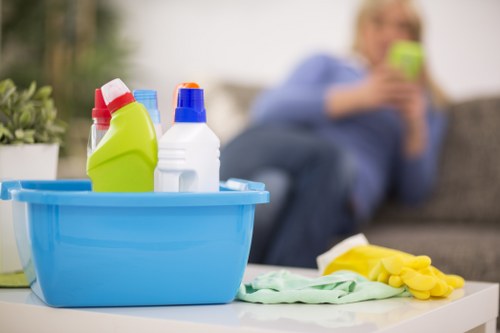
Before starting any rug cleaning process, it is essential to identify the material. Different fibers respond differently to water, detergents, heat, and scrubbing. Choosing the wrong method can cause shrinkage, fading, distortion, or texture damage. A careful approach begins with knowing what your rug is made of and how that material behaves.
Wool rugs are prized for their softness and durability, but they can felt if exposed to harsh agitation or excessive moisture. Cotton rugs are often more forgiving and easier to wash, though they may still shrink if handled incorrectly. Synthetic rugs, such as polypropylene or nylon, tend to be more resilient and are often easier to clean at home. Natural-fiber rugs like jute and sisal require extra caution because they can stain and weaken when over-wet.
For decorative or antique pieces, rug cleaning should be especially gentle. Hand-knotted, hand-tufted, or Oriental rugs may have dyes that bleed or fibers that loosen when aggressively cleaned. In those cases, a spot test and a conservative cleaning method are always the safest choices. The more you understand your rug material, the better your rug cleaning results will be.
How to Tell What Type of Rug Cleaning You Need
Not every rug needs the same treatment. Some only need routine vacuuming and spot care, while others require deep rug cleaning to remove embedded soil. A good rule is to inspect the rug regularly for odor, discoloration, flattened fibers, and traffic patterns. If it looks dusty even after vacuuming, or if spills have left a visible halo, it may be time for a more thorough approach.
Rug cleaning can generally be grouped into three levels: maintenance cleaning, stain-focused cleaning, and deep cleaning. Maintenance cleaning includes vacuuming, shaking out smaller rugs, and removing debris before it settles. Stain-focused cleaning targets specific spills or marks as soon as they happen. Deep rug cleaning tackles long-term grime, allergens, and buildup that routine care cannot remove. Knowing the difference helps you avoid overcleaning or using the wrong method.
One of the best signs that rug cleaning is overdue is an increase in dust or odors in the room. Rugs can hold onto smells from pets, food, smoke, or humidity. If your rug has a stale scent or feels rough underfoot, that usually means dirt has become trapped in the pile. Regular inspection allows you to act early and keep the rug in much better condition.
Essential Rug Cleaning Methods That Work
There are several effective rug cleaning methods, and the best one depends on the rug’s size, material, and condition. Some people rely on home-based cleaning, while others choose professional rug cleaning for delicate or heavily soiled items. Both options can work well when used appropriately.
Vacuuming is the foundation of almost every rug cleaning routine. Use a vacuum with adjustable suction, especially for high-pile or delicate rugs. Vacuum both sides if possible, and avoid overly aggressive beater bars on sensitive fibers. Regular vacuuming reduces the amount of dirt that works its way into the base of the rug.
Spot cleaning is another important technique. For fresh spills, blot the area immediately with a clean white cloth. Never rub, since rubbing can push the stain deeper into the fibers. A small amount of water and a mild cleaning solution can often remove minor stains before they become permanent. In many cases, quick action is the difference between simple rug cleaning and a lasting mark.
Step-by-Step Spot Cleaning for Common Spills
Spot cleaning should be done carefully so that the stain does not spread. Start by testing any cleaning product in an inconspicuous area. Then use a blotting motion rather than scrubbing. For many spills, a mixture of lukewarm water and a gentle detergent is enough. Always apply the solution sparingly so the rug backing does not become soaked.
For food and beverage stains, remove any solid residue first. Then blot from the outside of the stain inward. This prevents the spot from growing larger. For greasy marks, a small amount of dry absorbent powder may help lift oil before liquid cleaning begins. If the stain remains after several attempts, it may require professional rug cleaning instead of repeated home treatment.
Pet accidents require a different approach. They should be addressed quickly not only for appearance but also to prevent odor from settling in. Use an enzymatic cleaner suitable for rugs, and make sure the product is safe for the fiber type. Persistent smells often need deeper rug cleaning because odor-causing particles can reach the backing and padding. Quick spot treatment keeps damage from becoming long-term.
Deep Rug Cleaning at Home: What to Know
Deep rug cleaning at home can be effective when done with care, but it is not ideal for every rug. Synthetic rugs often handle this process well, while natural fibers and antiques may not. The goal is to flush out accumulated dirt without damaging the rug structure or leaving behind excess moisture.
Begin by vacuuming thoroughly. Then check the care label or manufacturer instructions if available. If the rug is small enough and the material allows it, you may rinse it outdoors, clean it with a mild solution, and allow it to dry flat. Use cool or lukewarm water rather than hot water unless the manufacturer specifically says otherwise. Excess heat can affect dyes and fiber shape.
Drying is one of the most critical parts of deep rug cleaning. A rug that stays damp too long may develop mildew, odors, or backing damage. Elevate it if possible, use airflow from fans, and keep it out of direct intense sun that could fade colors. Proper drying is just as important as the cleaning itself, because moisture left behind can undo all the work.
Common Rug Cleaning Mistakes to Avoid
Even well-meaning homeowners make mistakes that reduce the effectiveness of rug cleaning. One of the most common errors is using too much water. Overwetting can cause staining, smell, and structural damage. Another frequent mistake is applying strong chemicals without checking compatibility with the rug material. A product that works on tile may ruin a delicate rug.
Scrubbing too hard is another issue. While it may seem like more pressure will remove the stain faster, aggressive friction can damage fibers and spread discoloration. Instead, use gentle blotting, controlled pressure, and patience. Successful rug cleaning is usually about technique, not force.
People also forget to clean both sides of the rug or neglect the floor beneath it. Dust and debris can settle underneath and migrate back into the fibers. For long-term freshness, include the rug backing and the floor area beneath in your cleaning routine. These small habits improve rug cleaning outcomes significantly.
How Often Should Rug Cleaning Be Done?
There is no single schedule that fits every home, but regular care makes a major difference. High-traffic rugs may need vacuuming several times a week, while low-traffic decorative rugs may only require weekly attention. Spot cleaning should happen immediately after a spill, and deep rug cleaning may be needed every six to twelve months depending on use.
Homes with pets, children, or allergy concerns often benefit from more frequent rug cleaning. Pet hair, dander, and outdoor dirt can build up quickly. Likewise, households with smokers or heavy cooking may need stronger odor control and more regular maintenance. The best schedule is one that matches your lifestyle and the demands placed on the rug.
If the rug is in an entryway, dining area, or family room, expect it to trap more soil than one placed in a quiet guest room. Traffic level is one of the strongest predictors of how often rug cleaning should be performed. A simple inspection every few weeks helps you stay ahead of visible wear and hidden buildup.
Rug Cleaning and Indoor Air Quality
Many people are surprised to learn that rug cleaning can influence indoor air quality. Rugs act like filters, trapping particles from the air and foot traffic. While this can be helpful in the short term, the captured material needs to be removed regularly or it can be released back into the room when the rug is disturbed.
Dust mites, pollen, pet dander, and microscopic debris can accumulate in rugs over time. Frequent vacuuming and periodic deep rug cleaning help reduce these irritants. This matters especially for people with asthma, allergies, or sensitivities. A cleaner rug often means a cleaner-feeling home overall.
Odor control is another benefit related to air quality. Rugs can absorb smells from cooking, moisture, and daily activity. Good rug cleaning removes the source instead of masking it. When a rug is cleaned properly, rooms tend to smell fresher without relying on heavy fragrances or cover-up products.
Tools and Supplies That Make Rug Cleaning Easier
Having the right tools makes rug cleaning simpler and safer. A vacuum with adjustable height settings is a must. Microfiber cloths, white towels, a soft brush, a bucket, and a mild rug-safe cleaning solution are also useful. For households with pets, an enzymatic cleaner may be helpful for occasional accidents.
Some people also keep a carpet rake for high-pile rugs, which can lift fibers and improve vacuum performance. Dry absorbent powders can help with oil-based spots, while fans speed drying after wet cleaning. The key is to choose tools that support the rug instead of stressing it. Well-chosen supplies improve both efficiency and results.
If you clean rugs often, it may also help to store a small kit in a closet or utility area. That way you can respond immediately to spills. Fast access encourages faster action, and in rug cleaning, speed often determines whether a stain becomes permanent.
When Professional Rug Cleaning Is the Better Choice
There are times when home care is not enough. Professional rug cleaning is often the best option for valuable, delicate, oversized, or heavily stained rugs. Professionals have specialized equipment and cleaning solutions designed for different fibers, dyes, and construction styles. They can also assess damage and choose a method that minimizes risk.
Professional help is especially useful for rugs with persistent odors, deep-set stains, moth damage concerns, or water exposure. If a rug has been flooded or soaked for too long, expert rug cleaning may prevent further deterioration. In some cases, the cost of professional care is lower than the cost of replacing a damaged rug.
Another advantage is convenience. Large rugs can be difficult to move, wash, and dry at home. A professional service can handle the process more efficiently and often more thoroughly. If you have a cherished item or a rug that means a lot to your interior design, professional rug cleaning can offer peace of mind as well as better results.
Seasonal Rug Cleaning Tips for Better Results
Different seasons create different cleaning challenges. In spring, pollen and outdoor debris may increase, making rug cleaning more important. In summer, humidity can slow drying, so it is wise to ensure good airflow after any wet cleaning. In autumn, fallen leaves and mud can track indoors more often, especially near entryways.
Winter presents its own concerns. Salt, slush, and wet boots can introduce stains and moisture into rugs. During colder months, vacuuming may need to happen more often in high-traffic spaces. Consider adding washable entry mats to reduce the amount of dirt that reaches your rugs in the first place.
Seasonal rug cleaning is not just about reacting to weather; it is about adapting to changing household patterns. Holidays, guests, pets spending more time indoors, and school schedules all affect how quickly rugs become dirty. A flexible routine helps keep your rugs looking good all year long.
How to Protect Rugs After Cleaning
After rug cleaning, protection matters almost as much as the cleaning itself. Once the rug is dry, consider using a rug pad to reduce wear and slipping. A pad also helps with airflow underneath, which can support longer-lasting freshness. Rotating the rug every few months can distribute traffic more evenly and prevent one side from wearing down faster.
For stain-prone areas, a fabric protector may be useful if it is approved for your rug type. This can make future spills easier to blot up. Just remember that protectors are not a substitute for regular rug cleaning. They are a support tool, not a permanent shield.
It also helps to establish simple household rules, such as removing shoes indoors or placing rugs away from constant splash zones. Small changes like these reduce the need for frequent heavy cleaning and help preserve the appearance of the rug for longer periods.
Signs Your Rug Needs Immediate Attention
Some warning signs should not be ignored. Visible stains, a musty odor, flattened texture, fading in high-traffic paths, and increased allergy symptoms can all indicate that rug cleaning is overdue. If a rug starts looking dull even after vacuuming, the fibers may be holding onto trapped soil.
Another sign is a change in texture. Rugs should not feel sticky, greasy, or crunchy. Those sensations often suggest residue buildup from spills or cleaning products used incorrectly. In those cases, a deeper and more careful rug cleaning approach is needed to restore the surface.
If you notice recurring stains in the same area, the issue may come from below the rug as well. Moisture, padding, or floor residue can contribute to repeated problems. Immediate action can prevent minor rug issues from becoming expensive replacements.
Making Rug Cleaning Part of a Smart Home Routine
Rug cleaning becomes much easier when it is built into a normal home maintenance routine. Rather than waiting for problems to appear, assign simple tasks to specific times. Vacuum high-traffic rugs weekly, inspect for stains during regular tidying, and plan deeper cleaning around seasonal changes or major household events.
Consistency matters more than intensity. A little attention every week usually works better than one major clean after months of neglect. This approach helps preserve texture, color, and freshness while reducing stress. It also makes your home feel more comfortable and cared for.
For busy households, a written cleaning schedule can be surprisingly helpful. Even a short list with monthly reminders for inspection, spot treatment, and occasional deep rug cleaning can keep you on track. The goal is to make maintenance simple enough that it actually happens.
Final Thoughts on Keeping Rugs Fresh and Long-Lasting
Rug cleaning is about much more than appearance. It protects your investment, improves indoor comfort, and helps create a cleaner living environment. With the right combination of vacuuming, spot care, deep cleaning, and preventive habits, most rugs can stay attractive and functional for a long time.
The best rug cleaning approach is always the one that matches the rug material, the level of soil, and the needs of your household. When in doubt, choose the gentlest safe method first and escalate only when needed. This careful approach reduces risk and supports better long-term results.
If your rug is overdue for attention, now is the perfect time to act. Book your service now or start with a careful cleaning routine at home. Contact us today if you want your rug cleaning handled with the attention it deserves, and enjoy a fresher, healthier space underfoot.