Communal Area Cleaning: Creating Safer, Healthier Shared Spaces
Communal area cleaning plays a vital role in keeping shared environments safe, welcoming, and visually appealing. Whether it is a residential block, office building, mixed-use property, school, or healthcare setting, the cleanliness of common areas shapes how people feel about the entire space. A polished lobby, spotless hallway, fresh-smelling lift, and well-maintained stairwell all send a clear message: the property is cared for, organized, and comfortable to use.
For property managers, landlords, facilities teams, and business owners, communal area cleaning is more than a routine task. It is part of building maintenance, hygiene control, and long-term asset protection. Shared spaces experience heavy foot traffic, frequent touchpoints, and constant exposure to dust, debris, moisture, and spills. Without a consistent cleaning plan, these areas can quickly look neglected and even become safety risks.
In this article, we will explore why communal area cleaning matters, what should be included in a professional cleaning routine, and how to maintain high standards across every shared space. You will also find practical tips, service ideas, and maintenance strategies that support a cleaner and more pleasant environment for everyone.
Why Communal Area Cleaning Matters
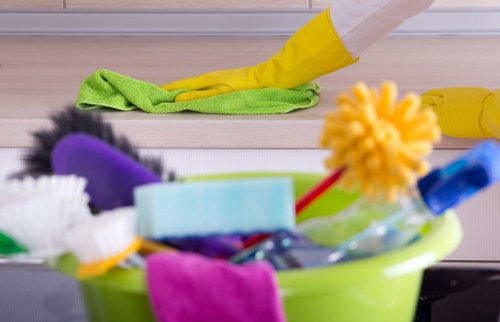
Communal area cleaning directly affects hygiene, safety, comfort, and first impressions. Shared areas are used by multiple people throughout the day, which means germs, dirt, and clutter can build up quickly. In homes, apartment buildings, and commercial properties, these spaces often include entrances, hallways, staircases, elevators, reception areas, kitchens, washrooms, and outdoor paths. Each one requires regular attention to stay clean and functional.
A neglected communal area can create several issues. Slippery floors may lead to accidents. Dust and allergens can affect indoor air quality. Overflowing bins can attract pests. Smudged glass and dirty walls can make the property appear poorly managed. By contrast, professional communal area cleaning supports a positive environment and helps people feel more comfortable using the space.
Clean shared spaces also contribute to property value. When residents, employees, visitors, or customers see well-kept communal spaces, they are more likely to trust the overall quality of the building. That is why many property owners invest in scheduled communal area cleaning services as part of a wider maintenance plan.
What Communal Area Cleaning Includes
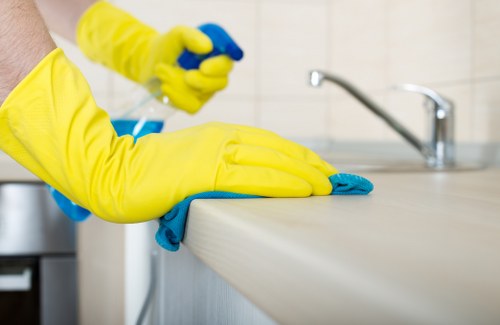
Effective communal area cleaning is not limited to sweeping floors and emptying bins. It involves a detailed set of tasks designed to keep shared spaces hygienic, tidy, and inviting. The exact service can vary depending on the type of property, but a strong cleaning plan usually includes a combination of daily, weekly, and periodic tasks.
Common tasks in communal area cleaning often include vacuuming carpets, mopping hard floors, dusting ledges and fixtures, sanitizing handrails, cleaning doors and handles, wiping switches, polishing mirrors, and clearing away litter. In high-use areas, touchpoint disinfection is especially important because these surfaces are frequently touched by multiple people.
Other essential tasks may include window cleaning, bin management, washroom sanitation, lift cleaning, and exterior sweeping. In some properties, communal area cleaning also extends to mailroom upkeep, bicycle storage areas, laundry rooms, and shared kitchens. The wider the range of services, the easier it is to maintain a consistently clean environment.
Key Areas That Need Regular Attention
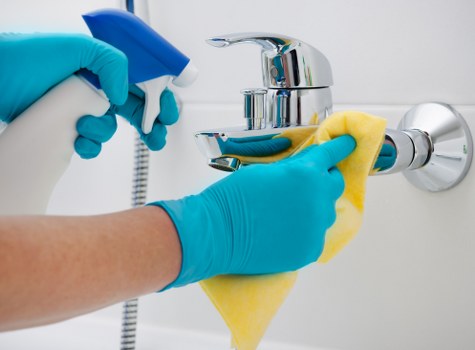
Every shared property has zones that require extra care. Understanding these areas helps create a more effective cleaning schedule. Below are some of the most important spaces included in communal area cleaning.
- Entrances and lobbies: These are the first areas people see, so they should remain free from dust, footprints, and debris.
- Hallways and corridors: High foot traffic means these areas can collect dirt quickly and require frequent vacuuming or mopping.
- Staircases and landings: Steps, edges, and railings need regular cleaning for both appearance and safety.
- Elevators and lift lobbies: Buttons, mirrors, doors, and walls should be sanitized regularly.
- Shared kitchens and break rooms: These areas need attention to surfaces, appliances, sinks, and bin spaces.
- Washrooms: Hygiene is critical, so restocking supplies and disinfecting surfaces are essential.
- Outdoor communal areas: Paths, entrances, and seating areas should be swept and maintained.
When these locations are kept clean, the entire property feels more organized and easier to use. A consistent approach to communal area cleaning also reduces complaints and improves satisfaction among occupants.
Benefits of Professional Communal Area Cleaning
Many properties benefit from hiring a professional team for communal area cleaning rather than relying solely on ad hoc efforts. Professional cleaners bring experience, equipment, and structured processes that help ensure consistent results. This is especially useful in larger buildings where cleaning demands can change throughout the day.
One major benefit is improved hygiene. Professional cleaning teams know how to target high-touch surfaces and reduce the spread of bacteria and viruses. Another benefit is better presentation. A clean building creates a more welcoming atmosphere and supports the image of the property.
There are also practical advantages. Professional communal area cleaning can save time for property staff, reduce the risk of missed tasks, and improve overall efficiency. In many cases, regular cleaning can also protect surfaces and fixtures from premature wear, helping owners avoid unnecessary replacement costs. That makes it a smart investment as well as a cosmetic one.
How Often Should Communal Area Cleaning Be Done?
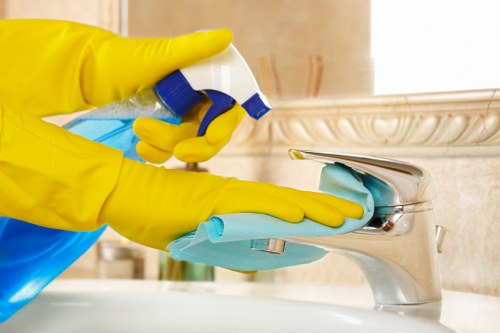
The right cleaning frequency depends on the type of property, the number of users, and the level of foot traffic. A small residential block may need cleaning a few times a week, while a busy commercial building may require daily or even multiple daily visits. In all cases, a tailored plan works better than a one-size-fits-all approach.
For example, entrances, reception areas, and lifts often need daily communal area cleaning because they are heavily used. Hallways, stairs, and shared amenities may need cleaning several times per week. Washrooms and kitchens usually require more frequent sanitation, especially where hygiene standards are strict. Outdoor areas may be cleaned weekly or after bad weather, depending on conditions.
A good rule is to assess both usage level and visibility. If an area is seen by many people or touched often, it deserves more frequent care. Regular inspections can help refine the schedule and ensure communal area cleaning remains effective over time.
Creating an Effective Cleaning Schedule
Building a structured schedule is one of the best ways to manage communal area cleaning efficiently. A clear plan reduces confusion, keeps standards consistent, and ensures no area is overlooked. It also makes it easier to assign responsibilities and track performance.
When designing a schedule, start by listing every shared area in the building. Then divide tasks into daily, weekly, monthly, and seasonal categories. For example, daily tasks might include floor cleaning, bin emptying, and sanitizing handles, while monthly tasks may involve deep cleaning corners, polishing metal fixtures, or cleaning vents.
Useful elements of a cleaning schedule include:
- Task lists for each area
- Clear frequencies for each cleaning job
- Assigned responsibilities
- Inspection checklists
- Supply restocking points
- Reporting procedures for maintenance issues
Why Checklists Improve Results
Checklists help maintain consistency in communal area cleaning by making sure all tasks are completed properly. They are especially useful in larger buildings with multiple cleaners or rotating shifts. A checklist creates accountability and reduces the chance of missed details such as door frames, skirting boards, or lift corners.
In addition, checklists make quality control easier. If a property manager wants to review standards, they can compare the finished work against the checklist to confirm that the cleaning meets expectations. This supports a more reliable service and a better overall experience for building users.
Common Challenges in Communal Area Cleaning
Although communal area cleaning sounds straightforward, it can come with several challenges. One common issue is heavy foot traffic. Busy spaces can become dirty again shortly after being cleaned, especially in wet or dusty weather. Another challenge is inconsistent cooperation from occupants, such as leaving litter, blocking access, or failing to report spills promptly.
Cleaning teams may also face difficulties when access is restricted or when areas are cluttered with personal items, deliveries, or equipment. In some properties, different areas require different cleaning methods, which means staff must be trained to handle a range of surfaces and materials safely.
Practical Ways to Overcome These Issues
To manage these problems effectively, property owners can improve communication, post reminders about shared responsibility, and provide clear access arrangements. Using durable, easy-to-clean materials in communal spaces can also make maintenance simpler. Regular feedback between the cleaning team and management helps identify issues before they become bigger problems.
Another strong solution is to keep cleaning supplies and maintenance equipment organized and ready to use. The faster cleaners can respond to a problem, the better the outcome will be. That responsiveness is one of the hallmarks of excellent communal area cleaning.
Health, Hygiene, and Safety Considerations
Health and safety are central to communal area cleaning. Shared spaces can carry germs and allergens, but they can also present physical hazards if not maintained correctly. Wet floors, loose debris, broken glass, and obstructed paths can all create risks for residents, workers, and visitors.
Proper cleaning methods help reduce these hazards. For instance, using the right floor product prevents slippery residue, while placing warning signs during mopping helps reduce accidents. Sanitizing high-touch points such as lift buttons, handrails, and door handles supports better infection control, especially in buildings with vulnerable occupants.
It is also important to store chemicals safely and follow appropriate handling procedures. A professional team should understand dilution ratios, surface compatibility, and ventilation needs. When communal area cleaning is done correctly, it supports a safer and healthier environment for everyone who enters the building.
Communal Area Cleaning for Residential Buildings
In residential properties, communal area cleaning has a direct impact on how tenants feel about their homes. Shared entrances, corridors, and stairwells are used daily by people of all ages, including children, older adults, and visitors. Cleanliness in these spaces helps create a sense of pride, security, and community.
Residential cleaning often focuses on practical maintenance and visual appeal. Litter removal, dust control, floor care, and entrance cleaning are essential. Mail areas, intercom panels, and lift interiors may also need frequent attention. Where shared bins or recycling stations are present, proper cleaning and deodorizing are especially important.
Residents typically notice these details:
- Whether hallways smell fresh
- Whether floors are free from dirt and marks
- Whether bins are emptied regularly
- Whether handrails and doors feel clean
- Whether the building appears well managed
When residential communal area cleaning is performed consistently, it can support better tenant satisfaction and reduce disputes about upkeep. It also helps preserve shared property features for longer periods.
Communal Area Cleaning for Commercial Properties
Commercial buildings require a slightly different approach because image, workflow, and visitor experience are all important. Office lobbies, meeting spaces, shared kitchens, and washrooms need to look professional and remain hygienic throughout the day. Employees, clients, and suppliers all form impressions based on these spaces.
In commercial settings, communal area cleaning often needs to align with business hours and occupancy patterns. Some tasks may be completed early in the morning or after hours to avoid disruption. Other tasks, such as washroom checks or touchpoint cleaning, may be scheduled more frequently during busy periods.
Good commercial cleaning services also help support productivity. Employees work better in clean surroundings, and clients are more likely to feel confident in a well-maintained workplace. This is why many businesses treat communal area cleaning as an important part of their professional presentation.
Choosing the Right Cleaning Approach
There is no single method that works for every property. The best communal area cleaning approach depends on building size, use patterns, flooring type, access requirements, and budget. Some properties need a basic maintenance routine, while others require a more intensive service.
When choosing a cleaning approach, consider the following:
- How many people use the communal areas each day
- Which areas experience the most wear and tear
- Whether the property has carpets, hard floors, or mixed surfaces
- What hygiene standards are required
- Whether seasonal conditions affect cleaning needs
By matching the service to the property, owners can get better results without wasting resources. That balance is key to effective communal area cleaning.
Environmental Considerations in Modern Cleaning
More properties are now looking for environmentally conscious cleaning solutions. This can include using eco-friendly products, reducing water waste, and selecting reusable tools where possible. Sustainable communal area cleaning is not only better for the planet; it can also support healthier indoor environments by reducing harsh chemical exposure.
Microfiber cloths, controlled product dosing, and efficient equipment can all help improve sustainability. Responsible waste disposal is another important part of the process. A thoughtful cleaning plan should keep environmental impact in mind without sacrificing hygiene or presentation.
How to Measure Cleaning Quality
It is useful to have a method for checking whether communal area cleaning is meeting expectations. Quality can be measured through inspections, user feedback, maintenance logs, and visual standards. The cleaner the building looks and feels, the more likely the cleaning process is working effectively.
Managers may inspect floors, walls, touchpoints, bins, and fixtures to assess whether the space is properly maintained. They may also look for recurring issues such as dust build-up, stains, or unpleasant odors. If problems appear regularly, the cleaning schedule may need to be adjusted.
A simple quality check can ask:
- Are the floors free from dirt and debris?
- Are touchpoints sanitized?
- Are bins empty and clean?
- Do shared spaces smell fresh?
- Are any areas being overlooked?
Regular review helps keep communal area cleaning consistent and effective. It also supports a higher standard of care over the long term.
When to Book a Professional Service
Some properties can manage light cleaning internally, but professional support is often the better choice when standards need to remain high. If shared areas are large, heavily used, or difficult to maintain, it may be time to book your service now and let experienced cleaners take over the routine work.
Professional communal area cleaning is especially valuable when the property has strict hygiene requirements, ongoing complaints, or repeated maintenance issues. It is also a smart option when management wants predictable results, detailed reporting, and fewer cleaning oversights. The right provider can tailor a cleaning plan around the building’s real needs rather than offering a generic service.
If you are aiming to improve presentation, reduce safety concerns, and create a better experience for everyone using the property, contact us today to discuss a cleaning arrangement that fits your communal spaces. A well-planned service can make a noticeable difference from the first visit.
Final Thoughts on Communal Area Cleaning
Communal area cleaning is one of the most important parts of maintaining any shared property. It protects health, improves safety, supports a positive image, and helps keep buildings in better condition for longer. From entrances and stairwells to washrooms and lift lobbies, every shared area benefits from regular attention and professional care.
By using a structured schedule, focusing on high-traffic zones, and choosing the right cleaning approach, property owners can create a cleaner, more pleasant environment for residents, staff, and visitors. Whether the building is residential or commercial, communal area cleaning should be treated as an essential service rather than an optional extra.
If your property needs a higher standard of cleanliness and more reliable upkeep, now is the perfect time to book your service now. Consistent cleaning can transform shared spaces into places people enjoy using every day.