Westminster Council bin rules for Pimlico: fines & tips
If you live, rent, manage a property, or run a business in Pimlico, bin rules can become one of those small things that suddenly feels very not small. Miss the wrong collection day, put bags out too early, or leave recycling contaminated, and you can end up with a warning, a mess outside your building, or in some cases a fine. This guide explains Westminster Council bin rules for Pimlico: fines & tips in plain English, with practical steps you can use today.
We'll cover how the system works, what typically triggers penalties, how to avoid the common mistakes, and what to do if your street or building has awkward refuse arrangements. It's the kind of local admin nobody brags about, but getting it right saves time, stress, and a fair bit of hassle on a damp London Monday morning.
Table of Contents
- Why Westminster Council bin rules for Pimlico: fines & tips Matters
- How Westminster Council bin rules for Pimlico: fines & tips Works
- Key Benefits and Practical Advantages
- Who This Is For and When It Makes Sense
- Step-by-Step Guidance
- Expert Tips for Better Results
- Common Mistakes to Avoid
- Tools, Resources and Recommendations
- Law, Compliance, Standards, or Best Practice
- Options, Methods, or Comparison Table
- Case Study or Real-World Example
- Practical Checklist
- Conclusion
- Frequently Asked Questions
Why Westminster Council bin rules for Pimlico: fines & tips Matters
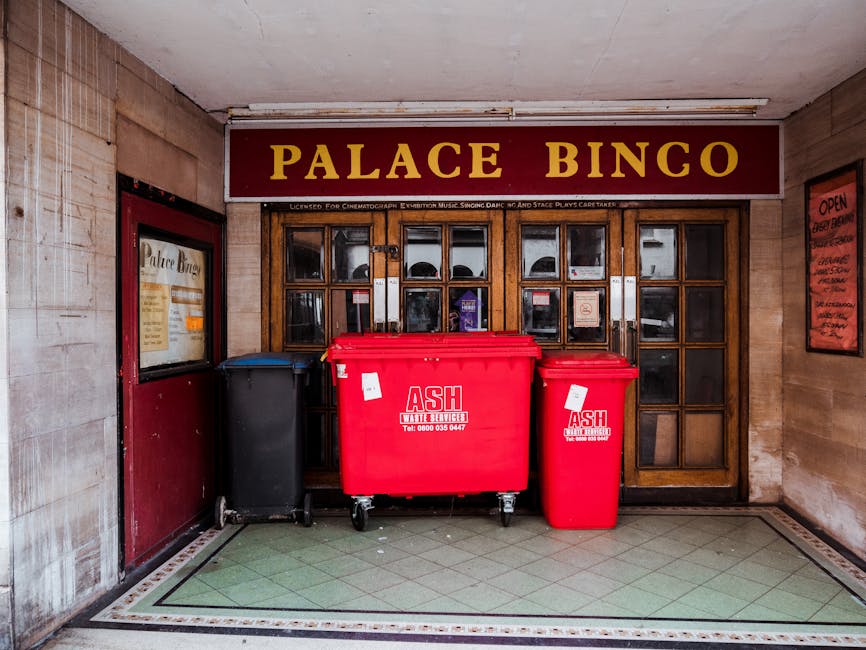
Pimlico has a very particular feel: mansion blocks, terraces, managed buildings, narrow pavements, and a lot of shared space. That mix makes refuse management more sensitive than in a typical suburban street. A bin left in the wrong place can block pedestrians. A recycling bag on the pavement too early can get torn open. A missed collection can quickly turn into a row of sacks, gull activity, and complaints from neighbours who are already fed up with the smell.
Westminster Council bin rules are not just paperwork. They shape how clean the street looks, how easy it is for crews to collect waste, and how likely you are to avoid enforcement action. In other words, the rules matter because they affect daily life. And yes, they can affect your wallet too.
The word fines is the part most people notice first. Fair enough. Nobody likes the idea of paying because a bin lid was open or a bag was dumped beside a full container. But there is a bigger point here: the council uses waste rules to protect public health, keep routes clear, and reduce the spread of litter and pests. If you've ever seen a fox get into an overflowing bag at 6 a.m., you know exactly why this matters.
For landlords, managing agents, cleaners, and busy households, the practical question is simple: how do you stay on the right side of the rules without overthinking every collection? That's what the rest of this article is about.
How Westminster Council bin rules for Pimlico: fines & tips Works
At street level, the process is usually straightforward: waste is separated, placed in the correct container, and presented at the right time. In Pimlico, that often means using shared bins, communal bin stores, or individual containers where available. The key is not just what you throw away, but how, when, and where you place it for collection.
Different buildings can have different arrangements. One block may use shared wheeled bins in a rear yard. Another may rely on black bags in a particular collection point. A house might have separate containers for general waste and recycling. That's why neighbours can sometimes give you confidently wrong advice. Helpful? Maybe. Reliable? Not always.
In practice, compliance tends to come down to a handful of habits:
- Sort recyclable and non-recyclable items correctly.
- Use the right bin or bag for the right waste stream.
- Do not block pavements, entrances, or communal access points.
- Put waste out only at the permitted time, not hours early.
- Make sure lids are closed and bags are tied securely.
Contamination is one of the quieter problems. A single wrong item in recycling can be enough to spoil a whole bag or bin load, depending on the council's collection process. Food waste left in with dry recycling is a classic example. So is putting soft plastics where they are not accepted. The details can change, so the safest habit is always to check your property's current setup rather than assume last year's routine still applies.
Enforcement can range from an informal reminder to a formal penalty notice, depending on the situation and any repeated issues. Serious or repeated dumping, obstruction, or misuse of bins is more likely to draw attention than a one-off mistake. Still, one mistake is often enough to create a nuisance for everyone in the building, which is why prevention is worth it.
Key Benefits and Practical Advantages
Staying on top of local bin rules does more than keep you out of trouble. It makes day-to-day living noticeably easier. You stop worrying about whether the bags will be taken. You reduce pests, smells, and spillages. And you avoid that awkward moment when a neighbour leaves a note on the communal board. Not exactly the highlight of anyone's week.
Here are the real-world advantages:
- Lower risk of fines or warnings if your waste is managed correctly.
- Cleaner communal areas, which matters a lot in shared Pimlico buildings.
- Better recycling outcomes when materials are separated properly.
- Fewer complaints from neighbours, tenants, or building managers.
- Less pest activity from loose bags, food waste, or overfilled bins.
- Smoother move-ins and move-outs when rubbish removal is handled early.
There's also a subtle but real benefit for property presentation. Clean bin areas make a building feel better cared for. If you're letting a flat, managing a short-let, or preparing for an end of tenancy, this stuff quietly influences first impressions. It's not glamorous, but it counts.
If waste builds up because a property is being cleaned out, it can help to combine bin planning with a proper move-out cleaning plan or a deep cleaning visit so rubbish, dust, and loose items are tackled in the right order. That way, you are not trying to sort recycling while carrying dusty boxes down a staircase at the same time. A tiny bit of planning saves a lot of chaos.
Who This Is For and When It Makes Sense
This guide is for anyone in Pimlico who has to manage waste responsibly, but some people will feel the pressure more than others. If you recognise yourself in any of the situations below, the rules matter more than you might think.
- Homeowners who want to avoid missed collections and street clutter.
- Renters who need to follow the building's system without upsetting neighbours.
- Landlords and agents dealing with tenant turnover and communal bin use.
- Concierges and building managers responsible for shared refuse areas.
- Local businesses that produce regular waste and need predictable collection routines.
- Cleaners and support staff who must dispose of waste correctly during service visits.
It makes sense especially when you are in one of these moments:
- you've just moved in and do not yet know the collection routine;
- you are preparing a property for new tenants;
- your building has a communal bin store and people keep using it badly;
- you've had a warning already and want to avoid repeat problems;
- you are trying to tidy up after a renovation, one-off clear-out, or end of tenancy.
That last one is a big one. Builders' rubble, packaging, paint tins, and random household items do not behave like normal weekly waste. If you are dealing with post-works debris, a targeted after builders cleaning service can help restore the flat or communal area while you arrange proper disposal for anything that should not go in the standard bins.
Step-by-Step Guidance
If you want a simple system that works, use this sequence every time. It's not fancy, but it is effective.
- Find out your property's waste setup. Check whether you use wheelie bins, sacks, shared bins, or a bin store. If you are a tenant, ask the agent or landlord. If you are managing a block, confirm the current arrangement with the building paperwork.
- Separate waste before it reaches the bin. Recycling, food waste, general rubbish, bulky items, and hazardous items should not all end up in the same bag. Mixing it all together is where problems start.
- Break down packaging and empty containers. Flatten cardboard, rinse containers if required by your building's recycling routine, and avoid filling bins with unnecessary air. Weirdly, air takes up space. Very inconvenient stuff.
- Use tied bags and closed lids. Loose waste is more likely to spill, attract pests, or blow around the street.
- Put bins out at the right time. Early placement can breach local rules or create obstruction. Too late, and the collection may be missed altogether.
- Bring bins back in promptly. This is often overlooked. A bin left out for hours after collection can create issues, especially on narrow streets.
- Watch for contamination and overflow. If the bin is full, do not pile bags around it unless that is explicitly allowed. Overflow is one of the fastest ways to trigger complaints.
- Escalate recurring problems. If other residents keep misusing the bin store, report it through the building manager or keep a clear record. Repeated misuse can affect everyone.
A practical tip: create a tiny waste routine tied to daily habits. For example, empty the kitchen caddy after dinner, flatten cardboard before the evening walk, and keep a reusable bag or caddy for recycling items that need sorting. It sounds almost too basic, but basic routines are often the ones that actually stick.
Expert Tips for Better Results
In our experience, the households and buildings that avoid waste problems are not necessarily the tidiest ones. They are just more consistent. That is the real trick.
Try these tips:
- Create a "bin station" inside the flat. Keep recycling, general waste, and any special disposal items separated before they leave the kitchen.
- Label communal bins if you manage a building. Clear labels reduce accidental misuse, especially for new tenants or short-let guests.
- Use reminders for collection days. A phone alert the evening before can prevent missed timings.
- Keep a small stock of bin liners. People are far less likely to leave loose rubbish around when a liner is ready to go.
- Plan around property changes. Move-ins, move-outs, and refurbishments usually create more waste than expected.
- Check communal areas during cleaning visits. A quick scan for loose litter, broken packaging, or stray rubbish prevents small messes becoming building-wide problems.
If you run a business or manage a large property, regular maintenance matters even more. A service like commercial cleaning or communal area cleaning can keep shared spaces presentable while you stay focused on the waste system itself. That combination tends to work much better than dealing with bin issues only after they have become visible and annoying.
One more thing: do not rely on memory. Waste routines drift over time. A flat that once had a simple two-bin setup can end up with new rules after building works, a change of contractor, or a revised collection point. Annoying? Yes. Worth checking anyway? Absolutely.
Common Mistakes to Avoid
Most bin-related fines and complaints are not caused by dramatic offences. They come from ordinary little mistakes repeated often. That is the part people underestimate.
- Leaving rubbish beside full bins. Even if you think, "just this once," it can still count as improper disposal or create a mess.
- Using the wrong container. Recycling in general waste or general waste in recycling is a classic mix-up.
- Ignoring bin timing. Putting bins out too early can create obstruction on narrow streets like those around Pimlico.
- Failing to tie bags securely. Wind, rain, and foxes are not your friends here.
- Overfilling the bin. If the lid cannot close, the problem has already started.
- Assuming someone else will deal with it. Shared buildings need shared responsibility, but in reality that can mean nobody takes ownership unless the system is clear.
- Leaving bulky items on the pavement. That is one of the fastest ways to attract complaints.
Another sneaky issue is poor post-cleanup disposal. For example, after a tenancy clean or a spring refresh, people often end up with packaging, broken bits, and unwanted household clutter. A proper end of tenancy cleaning or one-off cleaning appointment can tidy the property itself, but you still need a separate plan for rubbish that should not sit in the communal bins. Cleaning and waste disposal are related, but they are not the same job.
Truth be told, most problems happen because people are busy, not careless. The solution is not perfection. It's a small, repeatable routine.
Tools, Resources and Recommendations
You do not need fancy tools to manage waste well in Pimlico. A few simple aids make life much easier.
- Kitchen caddies or small indoor bins for separating waste before it goes outside.
- Recycling boxes or stackable containers for homes with limited space.
- Strong bin liners that reduce split bags and leaks.
- Labels or signs for communal bin areas, especially in managed blocks.
- Collection day reminders on a phone or shared building notice.
- A small storage spot for bulky waste until it can be removed properly.
If you are dealing with regular household upkeep, combining waste control with a regular cleaning routine is often the easiest way to keep things under control. For properties that see guests, tenants, or staff coming and going, this is especially useful because rubbish tends to build up in exactly the places no one notices until it is a problem.
For a more thorough reset, services such as domestic cleaning, house cleaning, or office cleaning can support the overall hygiene of a property while you keep the bin system compliant. A clean space makes people behave a little better with waste. Funny, that.
If the issue is a delicate surface or fabric that has picked up dirt from bags, spills, or debris, specialist help like carpet cleaning, sofa cleaning, upholstery cleaning, rug cleaning, mattress cleaning, or window cleaning can help restore the rest of the property after a messy period. It's not about overdoing it. It's about matching the service to the actual problem.
Law, Compliance, Standards, or Best Practice
Waste and bin management in London is shaped by local authority rules, property responsibilities, and broader UK expectations around safe, tidy disposal. The exact operational details can vary by street, building type, and collection arrangement, so it is best to treat any guidance as property-specific rather than universal.
From a best-practice point of view, the key principles are simple:
- do not obstruct pavements or entrances;
- do not dump waste beside bins unless the local arrangement allows it;
- separate recyclable and non-recyclable materials properly;
- keep communal storage areas clean and accessible;
- dispose of bulky or unusual waste through the appropriate route;
- act promptly if a recurring issue is affecting neighbours or residents.
For landlords, managing agents, and businesses, the practical standard is even higher. You are not just trying to avoid a notice; you are responsible for keeping shared spaces workable for other people. That means clear communication, bin access that is not blocked, and a sensible cleaning routine. If you want to show care for both the building and the wider environment, a sustainability-minded approach such as recycling and sustainability can complement your waste setup nicely.
Where there is uncertainty, check the current arrangements for the property rather than assuming a general rule will fit. That's the safest habit, and in practice it saves time.
Options, Methods, or Comparison Table
Different properties in Pimlico usually deal with rubbish in different ways. Here's a simple comparison of the most common approaches and where each tends to work best.
| Method | Best for | Advantages | Common risks |
|---|---|---|---|
| Individual bins | Houses and smaller properties | Simple, clear ownership, easier to monitor | Missed collections, overflow if not managed |
| Communal bin stores | Flats and mansion blocks | Shared responsibility, space-efficient | Misuse by residents, contamination, access issues |
| Bag-based presentation | Some narrow streets or buildings with no suitable bin area | Flexible and quick | Spillage, tearing, premature placement |
| Cleaning plus waste planning | Move-outs, refurbishments, short lets | Keeps property tidy while waste is dealt with properly | Needs coordination; cleaning alone does not remove bulky waste |
If you ask what works best overall, the answer is usually: whichever system is clear, repeatable, and suited to the building. The best method is not the one that sounds neat on paper. It is the one people will actually follow on a wet Tuesday evening.
Case Study or Real-World Example
A typical Pimlico scenario goes like this. A tenant moves out of a top-floor flat in a converted building. There are cardboard boxes, kitchen waste, broken packaging, and a few random items that were left behind because, well, moving is chaotic. The building has a shared bin store, but it is already close to full. Someone leaves bags beside the bins "just for the morning."
By the next day, the bags have been split open. There's a smell, a complaint from a neighbour, and a bit of tension in the hall. Nothing dramatic, but enough to cause hassle. If the flat had been given a clearer waste plan in advance, the move could have been a lot smoother.
The fix is rarely complicated:
- sort items before the move-out day;
- remove bulky packaging early;
- book a move-out cleaning service for the flat itself;
- use the correct bin route for the waste that remains;
- make sure the communal area is left tidy and accessible.
That same logic applies to a short-let property after guests leave. A small amount of rubbish left behind can multiply fast. In those cases, airbnb cleaning or a good reset between bookings can make the difference between a calm changeover and a scramble with bin bags at dusk.
The lesson is simple: the earlier you plan waste, the fewer issues you create later. It really is that unglamorous and that useful.
Practical Checklist
Use this checklist before collection day, after a clear-out, or whenever you are unsure the building is being managed properly.
- Check which bin or bag type your property uses.
- Separate recycling, general waste, and food waste correctly.
- Flatten packaging and reduce unnecessary bulk.
- Keep lids shut and bags tied.
- Do not place waste out earlier than allowed.
- Bring bins back in after collection where required.
- Remove bulky items through the correct disposal route.
- Keep communal bin stores clean and accessible.
- Report repeated misuse if you are in a managed building.
- Combine waste management with a sensible cleaning plan after moves or works.
Expert summary: The safest approach in Pimlico is not to guess. Know your building's bin setup, keep waste separated, and treat communal areas as shared space that needs a little care every week.
Get a free quote today and see how much you can save.
Conclusion
Westminster Council bin rules for Pimlico are easier to follow once you understand the rhythm: sort waste properly, present it correctly, and keep shared areas clear. Most fines and complaints stem from small avoidable mistakes, not big dramatic breaches. That's actually good news, because small mistakes are much easier to fix.
If you live in a Pimlico flat or manage a local property, make the waste routine part of the weekly rhythm rather than an afterthought. A few simple habits can prevent mess, neighbour friction, and unnecessary enforcement. And when the bigger jobs come along, such as a move-out, refurbishment, or seasonal clear-up, pair your waste plan with the right cleaning support so the whole property feels under control again.
That kind of calm order makes a difference. Not just to the building, but to the day itself.
Frequently Asked Questions
What are the main Westminster Council bin rules for Pimlico?
The main rules usually relate to using the correct bin or bag, sorting waste properly, avoiding contamination, and putting refuse out at the correct time and place for collection. Building-specific arrangements matter too, especially in shared properties.
Can I be fined for leaving bin bags beside a full bin?
Yes, that can lead to enforcement action depending on the circumstances and whether the issue is repeated. Even when a fine is not issued, it can still create complaints and make the area untidy very quickly.
Do communal bins work differently from house bins in Pimlico?
Often, yes. Communal bins are usually shared by several households, so access, sorting, and responsibility can be less straightforward. A clear building routine matters more in flats and mansion blocks than in a single-house setup.
What should I do if my bin is full on collection day?
Do not leave loose waste next to it unless the local arrangement allows that. If the bin is full, try to wait for the next collection, check whether overflow is allowed in your building, or speak to the landlord or managing agent about capacity.
How can I avoid contamination in recycling bins?
Keep food waste, soft plastics, black bags, and non-recyclable items out of the recycling stream. If you are unsure about a material, it is safer to keep it separate until you know where it belongs.
Are there special tips for tenants moving out of a Pimlico flat?
Yes. Sort rubbish early, remove bulky items before the final day, and combine the move with a proper cleaning plan so you are not scrambling at the last minute. A move-out is exactly when bin problems tend to multiply.
What if other residents keep misusing the shared bins?
Document the issue if needed and report it to the landlord, managing agent, or building manager. In a communal setting, repeated misuse can affect everyone, so it is worth raising it early rather than letting it drift.
Can cleaning services help with bin-related problems?
Yes, especially for general property resets, communal upkeep, and post-move cleaning. Services like domestic cleaning, communal area cleaning, or move-out cleaning can support a cleaner environment, though they do not replace proper waste disposal.
What is the safest way to handle bulky waste?
Do not place bulky waste beside normal bins unless your building or collection arrangement explicitly allows it. Instead, use the proper disposal route for that item and keep the communal space clear until it can be removed.
Why do bin rules feel stricter in central London areas like Pimlico?
Because space is tighter, streets are busier, and shared access points are more common. A small mistake can have a bigger visible impact when pavements are narrow and properties are close together.
How do I keep my property from smelling around the bin area?
Use tied bags, empty food waste regularly, keep lids shut, and make sure spillages are cleaned quickly. If a bin store or utility area has become a bit grim over time, a deeper clean can help reset the space.
What is the simplest way to stay compliant week to week?
Use the same routine every week: sort waste at source, check collection timing, and keep communal areas clear. The best systems are usually the boring ones that people can repeat without thinking too hard.