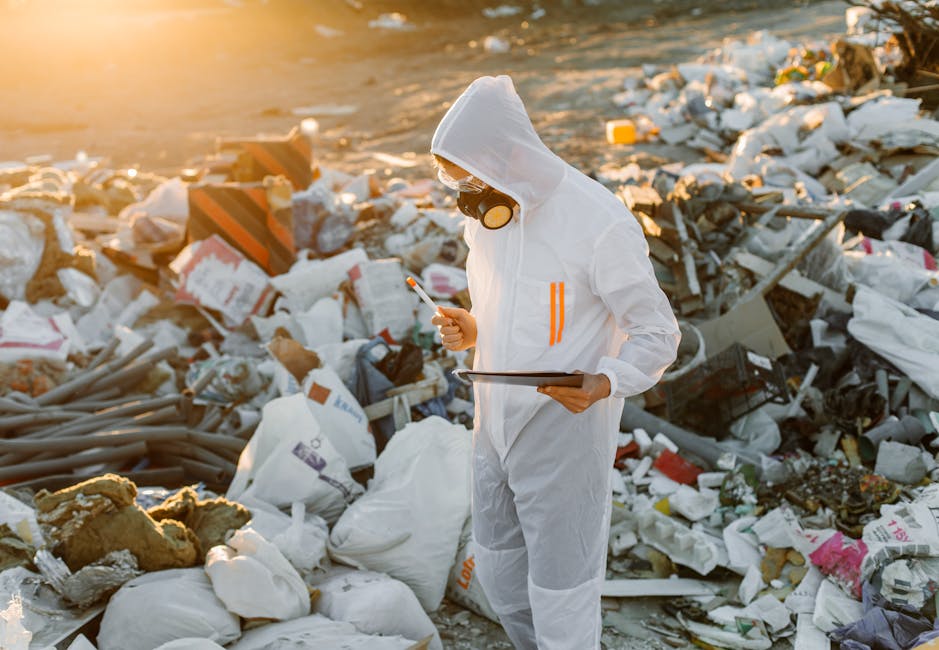
Responsible disposal of hazardous waste in Pimlico (rules)
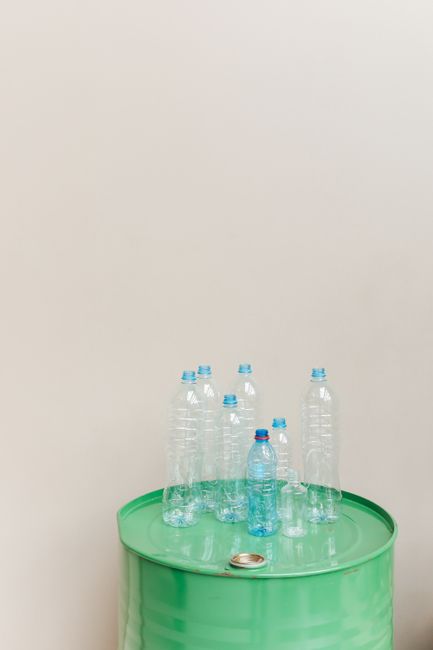
If you have ever stood in a flat or basement storage cupboard in Pimlico wondering what to do with old paint tins, bleach, broken fluorescent tubes, or a half-used bottle of solvent, you are not alone. Responsible disposal of hazardous waste in Pimlico (rules) can feel oddly confusing at first, especially when you are trying to stay safe, avoid fines, and do the right thing for the building and the neighbourhood. The good news is that the process becomes much easier once you understand which items are classed as hazardous, how they should be separated, and what a sensible compliant disposal routine looks like in everyday life.
This guide breaks it down in plain English. You will find the practical steps, common mistakes, compliance basics, and local-minded advice that actually helps. And yes, we will keep the jargon to a minimum. Hazardous waste is one of those topics where a careful approach saves time, money, and hassle later on. Honestly, it is one of those jobs that looks small until it is not.
Why Responsible disposal of hazardous waste in Pimlico (rules) Matters
Hazardous waste is not just a tidy-up issue. It is a safety issue, a building management issue, and often a compliance issue too. In a place like Pimlico, where you find a mix of mansion blocks, managed flats, period properties, offices, and busy rental homes, the risks can spread quickly if a hazardous item is left in the wrong place.
A leaking container in a communal bin area can affect cleaners, residents, porters, and waste handlers. A badly packed paint tin can stain floors and create fumes. An incorrectly disposed battery can overheat. A broken light tube can release dust and glass. None of that sounds dramatic until you are dealing with it at 7.30am on a damp London morning and the corridor already smells of solvent. Not ideal.
Responsible disposal matters because hazardous materials can:
- harm people through burns, fumes, cuts, or contamination
- damage drains, bins, and shared building spaces
- create fire risk, especially with batteries and aerosols
- cause environmental harm if mixed with general rubbish
- leave landlords, tenants, or businesses dealing with avoidable complaints
There is also a reputational side to this. If you manage a flat, office, holiday let, or communal property, handling waste properly signals that the place is run carefully. That matters more than many people think. It is part of the same mindset you would bring to deep cleaning or commercial cleaning: the detail is what keeps a property safe and presentable.
Practical takeaway: if a waste item could leak, ignite, stain, fume, or injure someone, treat it as hazardous until you are sure otherwise.
How Responsible disposal of hazardous waste in Pimlico (rules) Works
At a basic level, responsible disposal follows four steps: identify the item, separate it from ordinary waste, package it safely, and use the correct disposal route. Simple enough in theory. In practice, the challenge is knowing which route fits which item.
In UK household and business settings, hazardous waste is usually handled separately from general refuse because it needs extra care. That might mean a specialist collection, a designated drop-off point, or a contractor with the right process for transporting and handling it. The exact route depends on the type of waste and whether it came from a home, rental turnover, office, or building project.
Typical hazardous items people in Pimlico run into
- paint, varnish, thinners, adhesives, and solvents
- cleaning chemicals, bleach, and strong disinfectants
- batteries, including rechargeable and button batteries
- fluorescent tubes and some other lamps
- aerosols
- pesticides and garden chemicals
- used engine oil or fuel containers
- medicines and sharps, where applicable and properly packaged
- electrical items with damaged components that may overheat or leak
There is a small but important distinction worth making: some items are hazardous because of their contents, and others because of how they are damaged or stored. For example, an intact household cleaning spray may still need careful handling, while a broken container of the same product is a different level of risk altogether.
The rule of thumb is to never mix hazardous waste with kitchen waste, garden waste, or general rubbish. That may seem obvious, but it is one of the most common reasons problems occur in shared buildings. Bags split. Labels rub off. Someone else picks the item up later. Suddenly a small issue becomes a bigger one.
Key Benefits and Practical Advantages
Doing this properly has benefits that go well beyond avoiding trouble. The biggest advantage is safety, but there is a wider practical gain too: organised disposal makes the whole property feel under control.
- Safer homes and shared spaces: fewer leaks, less vapour exposure, and less chance of accidental contact.
- Cleaner handover for tenants and landlords: especially useful at the end of a tenancy or after renovation work.
- Better building hygiene: no unpleasant smells or residues drifting into communal areas.
- Reduced contamination: hazardous materials kept separate are easier to handle correctly.
- Less stress: you know what is going where, rather than guessing at the last minute.
- Lower risk of complaints: particularly helpful in flats with shared bins or managed access.
For example, if you are preparing a flat for new occupants, a responsible waste routine supports the rest of the clean-up process. That is one reason people often pair it with end of tenancy cleaning or move out cleaning. It creates a neater, safer finish and avoids the awkward discovery of old paint tins behind a cupboard door after the keys are handed over. Which, to be fair, happens more often than it should.
If you run a business, the benefit is even more straightforward: a compliant process protects staff, customers, and contractors. It also makes inspections, audits, and housekeeping much easier, even if you are only dealing with occasional waste rather than a constant stream.
Who This Is For and When It Makes Sense
This topic is relevant to more people than you might expect. In Pimlico, hazardous waste disposal comes up in homes, rented flats, offices, and refurbishment projects alike.
Homeowners and tenants
If you are clearing out a cupboard, decorating, or replacing old household products, you may suddenly find chemicals, batteries, or old electronics that cannot just go in the normal bin. Tenants should be especially careful because disposal duties can sit alongside tenancy conditions and building rules.
Landlords and letting agents
After a move-out, you often find the awkward leftovers: half-empty cleaning products, broken lamps, forgotten aerosols, and loose batteries in drawers. These are small things, but they can delay a clean handover if they are missed.
Office managers and business owners
Offices may generate printer cartridges, batteries, cleaning chemicals, and old equipment. Even a small office should have a clear process. It does not need to be fancy, just consistent.
Builders, decorators, and refurbishment teams
After paint, adhesives, sealants, or strip-out work, waste can quickly become mixed and messy. That is when a planned approach matters most. If you are finishing a refurbishment, a service like after builders cleaning often works best when the waste has already been sorted sensibly.
Building managers and communal-area teams
Shared entrance halls, bin stores, and service cupboards are where mistakes show up fastest. One badly placed item can affect everyone, which is why a clear routine is so useful in communal settings.
In short: if your space contains products that could burn, leak, fume, cut, or contaminate, this guidance applies to you.
Step-by-Step Guidance
Here is the cleanest way to handle hazardous waste without making a meal of it.
- Identify the item properly. Read the label. Look for hazard symbols, warnings, or unusual disposal instructions. If you are not sure what something is, do not guess.
- Separate it immediately. Keep hazardous items away from general waste, food waste, and recycling. Use a dedicated container or box if needed.
- Check the condition. Is it sealed? Leaking? Cracked? Swollen batteries or damaged containers need extra care and should not be stacked carelessly.
- Keep it upright and stable. Liquids should be stored so they cannot tip. Glass or sharp items should be secured to prevent breakage.
- Group similar items. Batteries with batteries. Paint with paint. Chemicals with chemicals. Do not combine unrelated substances.
- Remove obvious residue from the outside. Wiping down the exterior of a container can reduce handling risk. Just use common sense and avoid spreading contamination.
- Follow the correct disposal route. Depending on the item, that may mean a specialist collection, contractor handling, or an approved disposal point. The right route depends on what you have and whether it is household or commercial waste.
- Record what was removed if you are managing a property or business. A simple note is often enough. This helps later if someone asks what happened to the waste.
One useful habit is to create a small "hold" area for hazardous items rather than letting them drift around a utility room. A labelled box on a shelf does wonders. Not glamorous, but effective.
If the waste came from a deeper clean or a full property reset, it helps to treat disposal as part of the whole job, not an afterthought. That mindset is common in one-off cleaning and domestic cleaning too: finish the room properly, then remove the risks.
Expert Tips for Better Results
Good disposal is mostly about consistency. You do not need a complicated system, just a reliable one.
- Keep original containers where possible. Labels matter. The original packaging usually gives the clearest information about contents and hazards.
- Do not overfill containers or bags. If an item is fragile, bulky, or leaking, it needs more space and more protection.
- Store waste away from heat and sunlight. This matters for aerosols, batteries, and flammable products. Even a warm cupboard can be a bad idea.
- Use gloves if there is any chance of contact with residue. Better safe than sorry, frankly.
- Separate sharp edges and broken glass. Wrap carefully and mark the package if needed.
- Schedule disposal sooner rather than later. Leftover chemicals tend to be forgotten, and forgotten chemicals are how mistakes happen.
- For shared buildings, tell people what is in the hold area. A short note avoids someone moving the box because they think it is ordinary clutter. That happens more than you would think.
If you manage a property with regular turnovers, set a recurring check after each tenancy or visit. It takes minutes, not hours. And it saves the classic "where did this come from?" moment later on.
Common Mistakes to Avoid
Most problems come from the same handful of errors. Once you know them, they are easy enough to avoid.
- Putting hazardous waste into normal bins. This is the biggest mistake and the easiest one to prevent.
- Mixing different chemicals together. Some substances react badly. Never combine leftovers just to save space.
- Leaving batteries loose in a drawer or bag. Battery terminals can touch metal and create a fire risk.
- Ignoring damaged containers. A cracked tin or softening plastic bottle needs attention now, not next week.
- Removing labels. If no one can identify the contents, disposal becomes harder and riskier.
- Forgetting about small items. A few old tubes, one aerosol, or a broken lamp can still matter.
- Assuming all cleaning products are harmless. Some are mild, some are not. Read the label each time.
Another mistake is to treat hazardous waste like a purely domestic issue. In a mixed-use building, responsibility can be shared, and confusion can spread quickly. That is where clear building rules make a real difference.
Tools, Resources and Recommendations
You do not need much equipment, but a few basic items make responsible disposal much easier:
- thick gloves for handling containers or items with residue
- sturdy cardboard boxes for grouping bottles, cans, or small items
- strong bin bags for secondary containment, not as the only layer for leaking waste
- marker pen and labels so you can identify what is inside
- tape or cable ties for securing boxes and keeping items upright
- a plastic tray or tub for anything that could drip
For practical support, it also helps to use local service pages and policy pages that explain how a business approaches safety and sustainability. On this site, the most relevant internal references are the recycling and sustainability approach, the health and safety policy, and the insurance and safety information. Those pages are useful if you want to understand the standards behind safe work rather than just the end result.
If your disposal issue is tied to a larger clean-up, you may also find related service pages useful for planning the rest of the job, such as office cleaning, regular cleaning, or move in cleaning. They are not hazardous waste guides, of course, but they show how the wider property care process fits together.
Law, Compliance, Standards and Best Practice
For hazardous waste, the safest approach is to follow the general UK expectation that dangerous items are kept separate, stored safely, and passed on through the right disposal route. Exact legal duties can vary depending on whether you are a household, landlord, sole trader, or business, and the type of waste matters too. So it is best to be cautious and avoid making assumptions.
A sensible compliance mindset usually includes the following:
- separate hazardous waste from non-hazardous waste
- keep packaging and labels where possible
- store waste securely before collection or drop-off
- do not pour chemicals into drains or sinks
- do not burn, crush, or mix hazardous items
- use competent handling and transport arrangements for business waste
For businesses and managed buildings, written procedures are the best practice. Even a simple one-page process is better than "we usually sort it out somehow." People love that phrase until the wrong thing gets thrown away. Then nobody loves it anymore.
If you are unsure whether an item is classed as hazardous, the practical answer is to treat it carefully first and seek clarification before disposal. That is not overcautious; it is sensible. Safe handling is usually cheaper than sorting out contamination, complaints, or accidental damage after the fact.
Options, Methods and Comparison Table
There is more than one way to dispose of hazardous waste responsibly, and the right option depends on volume, risk, and whether the waste came from a home or a commercial setting.
| Method | Best for | Strengths | Limitations |
|---|---|---|---|
| Safe temporary storage before disposal | Small amounts from homes or offices | Low effort, keeps items controlled, avoids rushed mistakes | Not a final solution; waste still needs proper disposal |
| Specialist collection | Larger volumes, mixed hazardous items, business waste | Convenient, structured, often best for compliance | Usually costs more and may need scheduling |
| Approved drop-off route | Smaller household items | Good for occasional items and tidy separation | Can take time and may not suit bulky or leaking waste |
| Contractor-managed disposal | Refurbishments, move-outs, commercial clearances | Fits larger projects and reduces admin | Depends on the contractor's competence and process |
For most Pimlico residents, the best option is often the simplest safe one: keep the item contained, identify it clearly, and use the most appropriate removal route for the type and quantity of waste. For landlords and businesses, contractor-led disposal is often the cleaner fit because it reduces uncertainty and creates a more traceable process.
Case Study or Real-World Example
Imagine a small Pimlico flat after a long tenancy. The visible cleaning is fine enough, but in the kitchen cupboard there is a half-empty tin of paint, a can of oven cleaner, three loose batteries, an old bulb, and a cracked bottle of bleach. Nothing dramatic. Just the kind of mess that quietly causes problems if nobody checks it.
First, the items are separated. The paint tin stays upright in a tray. The batteries are grouped and kept away from metal. The cracked bleach bottle is placed in a secondary container to catch any seepage. The lamp is wrapped carefully to prevent breakage. Then the items are handled through the correct route instead of being added to general waste.
The result is simple: the flat is safer, the cupboards are clear, and the outgoing handover is smoother. The cleaner can finish the job properly, the landlord avoids an awkward discovery later, and the next person moves into a space that feels sorted, not half-forgotten. That is really what good hazardous waste disposal does. It removes the hidden clutter that can spoil an otherwise decent property.
In larger buildings, the same logic applies, just at a bigger scale. A communal bin room with clear segregation rules and tidy storage is easier for everyone. Less smell, less mess, fewer complaints. Life feels easier when the basics are handled well.
Practical Checklist
Use this quick checklist before you dispose of anything that might be hazardous:
- Have I identified exactly what the item is?
- Does it have a hazard label, warning symbol, or strong smell?
- Is the container intact and sealed?
- Have I kept it away from general rubbish and recycling?
- Have I grouped similar items together safely?
- Is the item stable, upright, and protected from heat or damage?
- Do I know the correct disposal route for this type of waste?
- Have I avoided mixing it with other chemicals or liquids?
- Is there a record or note if this is for a landlord, business, or building manager?
- Have I checked whether any wider cleaning or clearance work is needed as well?
If you can answer yes to all of those, you are usually in a strong place. If not, pause and sort the issue out before moving anything around. That little pause can save a lot of bother.
Conclusion
Responsible disposal of hazardous waste in Pimlico (rules) is not about being perfect. It is about being careful, consistent, and sensible with items that can harm people or damage property if handled badly. Once you know what counts as hazardous, where it should be kept, and how to choose the right disposal route, the whole process becomes much less stressful.
The biggest wins come from simple habits: keep hazardous items separate, do not guess, do not mix, and do not leave things to drift in a cupboard for months. Whether you are a tenant, landlord, homeowner, office manager, or building supervisor, that approach protects the people around you and makes everything else easier.
If you are dealing with a larger clean-up, a move, or a property reset, think of hazardous waste as part of the wider care plan rather than a separate headache. The tidy-up feels better when the hidden bits are handled properly, and let's face it, that is what everyone wants in the end.
Get a free quote today and see how much you can save.
Frequently Asked Questions
What counts as hazardous waste in a Pimlico home?
Common examples include paint, solvents, bleach, aerosols, batteries, fluorescent tubes, pesticides, and some damaged electrical items. If it can leak, burn, fume, or injure someone, treat it carefully.
Can I put hazardous waste in my normal bin?
No, that is usually the wrong move. Hazardous items should be kept separate because they can contaminate other waste streams and create safety risks for handlers and residents.
What should I do with old paint tins?
Keep them sealed if possible, store them upright, and use the correct disposal route rather than general waste. If the tin is leaking or damaged, contain it carefully first.
Are batteries really that serious?
Yes, they can be. Loose batteries can short-circuit if they touch metal or each other in the wrong way. Store them safely and keep terminals protected where practical.
How do I handle broken fluorescent tubes or lamps?
Handle them carefully, avoid sweeping broken material with bare hands, and keep fragments contained. A broken tube should never be mixed casually with household rubbish.
Do landlords have extra responsibilities?
Often, yes in practice. Landlords and agents should make sure move-outs are checked properly, waste is separated, and the property is left in a safe condition for the next occupier.
What about hazardous waste from an office?
Offices commonly produce batteries, printer consumables, cleaning chemicals, and old equipment. A simple written process helps staff separate and store these items correctly.
Can chemicals be poured down the sink?
Usually not. That is one of the most avoidable mistakes and can cause drain contamination or other safety issues. Keep chemicals out of sinks and drains unless you are certain the product and local rules allow it.
What if I am not sure whether an item is hazardous?
Pause and treat it cautiously until you know more. Do not mix it with other waste. If the label is unclear, assume it needs special care until verified.
How should hazardous waste be stored before disposal?
Keep it sealed, upright, labelled, and away from heat or foot traffic. A dedicated box or tray in a secure place is usually enough for small amounts.
Is hazardous waste disposal expensive?
It depends on volume, type, and the disposal route. Small amounts may be straightforward, while larger or business-related waste often needs more structured handling and can cost more.
Why is this especially relevant in Pimlico?
Pimlico has many shared buildings, rented flats, and managed spaces where waste handling affects other people quickly. In that kind of setting, one small mistake can become a building-wide issue.